
Introduction: More Than Just Talking – A Legacy of Innovation
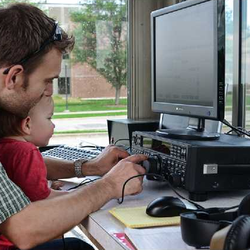 In the bustling landscape of modern technology, where instant communication is a given, it’s easy to overlook the foundational innovations that paved the way. Yet, nestled within the vibrant history of American ingenuity lies a hobby and a service that continues to push the boundaries of communication, engineering, and community: amateur radio, affectionately known as “ham radio.” For decades, ham radio has served as a powerful, hands-on learning platform, fostering a deep understanding of electronics, radio wave propagation, and problem-solving. This isn’t just about chatting with strangers; it’s about mastering a technology that can literally save lives and connect communities, making it a perfect, albeit sometimes overlooked, cornerstone for STEM education in Texas and beyond.
The Science Behind the Signal: Unpacking the Technology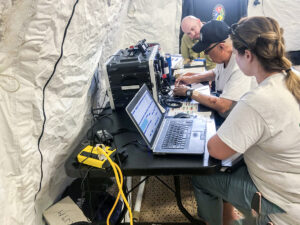
At its core, ham radio is a fascinating blend of physics, electronics, and computer science. Getting licensed isn’t just about memorizing facts; it’s about understanding the fundamental principles that govern radio communication. This includes everything from the intricacies of antenna design and transmission lines to the nuances of modulation and demodulation. Amateurs learn about different frequency bands, their unique characteristics, and how to optimize equipment for various communication scenarios, whether it’s bouncing signals off the ionosphere for global contacts or setting up a local mesh network for emergency communications. It’s a practical application of Ohm’s Law, Maxwell’s equations, and digital signal processing, all rolled into one engaging hobby.
Levels of Licensure: A Path to Deeper Understanding
The journey into ham radio is structured through progressive license classes, each unlocking new privileges and demanding a greater technical understanding. The Technician license is the entry point, granting privileges on VHF and UHF bands, ideal for local communication and emergency preparedness. It covers basic operating practices, regulations, and fundamental electrical principles. The next step is the General license, which opens up access to most of the HF (High Frequency) bands, enabling worldwide communication. This requires a deeper understanding of radio theory, propagation, and more advanced operating techniques. Finally, the Amateur Extra license is the pinnacle, granting access to all amateur bands and requiring the most comprehensive knowledge of radio theory, electronics, and regulatory procedures. Each level encourages continuous learning and a deeper dive into the technical intricacies of radio.
Ham Radio in Action: Lifesaving Communications in Times of Crisis
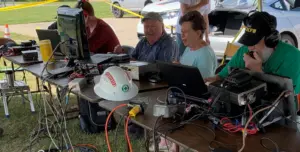 While the technical aspects are engaging, perhaps the most compelling argument for ham radio’s relevance lies in its proven track record during emergencies and disasters. When traditional communication infrastructure fails – cell towers down, internet lines severed – amateur radio operators step up, providing vital links for first responders and affected communities. During Hurricane Harvey in 2017, Texas ham radio operators were instrumental in providing communications for shelters, emergency operations centers, and health and welfare messages when other systems were overwhelmed. Similarly, after 9/11 and during countless other natural disasters like hurricanes, earthquakes, and wildfires across the United States, ham radio volunteers have consistently demonstrated their invaluable role in disaster relief efforts. They are often the first to establish contact and the last to leave, a testament to their dedication and the robustness of the technology.
Texas and Beyond: A Vibrant Community of Innovators
The United States boasts a thriving ham radio community, with over 790,000 licensed operators as of early 2024. Texas, with its vast landscapes and diverse communities, has a particularly active and dedicated amateur radio presence. While specific current numbers for Texas are difficult to pinpoint with absolute accuracy, the state consistently ranks among the top in terms of licensed operators, reflecting a strong interest in this vital skill. These operators are not just hobbyists; they are innovators, educators, and dedicated public servants who embody the spirit of STEM.
Get Licensed: Your Gateway to a World of Discovery
Ready to explore the fascinating world of ham radio? It’s more accessible than you might think! The journey begins with preparing for and passing an FCC licensing exam. Many local amateur radio clubs offer classes and mentorship to help aspiring operators. The American Radio Relay League (ARRL) is an excellent resource for getting started, offering study materials, practice exams, and information on finding local testing sessions. Visit www.arrl.org/getting-licensed to learn more and begin your adventure.
Conclusion: A Timeless Skill for the Future
Ham radio is far more than an antiquated hobby; it’s a living testament to human ingenuity and a powerful tool for community resilience. It offers a unique blend of hands-on technical learning, critical thinking, and public service, making it an ideal avenue for fostering STEM skills. As we look to the future, the ability to understand, build, and adapt communication technologies will only become more crucial. By embracing ham radio, we’re not just preserving a rich history; we’re empowering the next generation of Texas innovators to tune in, transform, and connect the world.